
The Psychology of Retail Design: Why Your Malaysian Store Layout Matters

Retail success in Malaysia is no longer driven by products alone. In today's competitive market, how your store looks, feels, and flows plays a powerful role in shaping customer behavior. From bustling malls in Kuala Lumpur to neighborhood shops in Penang and Johor Bahru, retail design psychology directly influences how long shoppers stay, what they buy, and whether they return.
This article explores the psychology of retail design and explains why your Malaysian store layout truly matters, combining consumer behavior insights with local market realities.
Understanding the Psychology of Retail Design

Retail design psychology focuses on how space, color, lighting, layout, sound, and scent affect human emotions and decision-making. Shoppers rarely realize it, but their brains are constantly responding to environmental cues.
Key psychological triggers include:
When these elements work together, a store feels intuitive rather than confusing
Why Store Layout Is Critical in the Malaysian Retail Context
Malaysia's retail environment is unique. It blends diverse cultures, climates, and shopping habits, all of which impact how customers experience physical spaces.
1. High Mall Culture and Foot Traffic
Malaysians love shopping malls. With heavy foot traffic, stores must:
2. Cultural Comfort and Social Shopping
Shopping in Malaysia is often a social activity, done with family or friends. Stores that feel cramped or confusing discourage group browsing.
Psychologically effective layouts:
3. Climate-Driven Behavior
Malaysia's hot and humid weather influences shopper psychology. Once customers step into an air-conditioned store, they subconsciously seek:
Key Retail Design Psychology Principles That Drive Sales
1. The Decompression Zone
The first few steps inside your store are critical. Shoppers need a moment to adjust from outside noise and movement.
Best practices:
2. Natural Traffic Flow and the "Right Turn" Bias
Research shows most shoppers instinctively turn right when entering a store. Malaysian retailers can use this psychological pattern to:
3. Strategic Product Placement
Eye-level placement, grouping related products, and storytelling displays all influence buying decisions.
Psychological triggers include:
4. Color Psychology in Malaysian Retail
Colors evoke emotions, and cultural context matters.
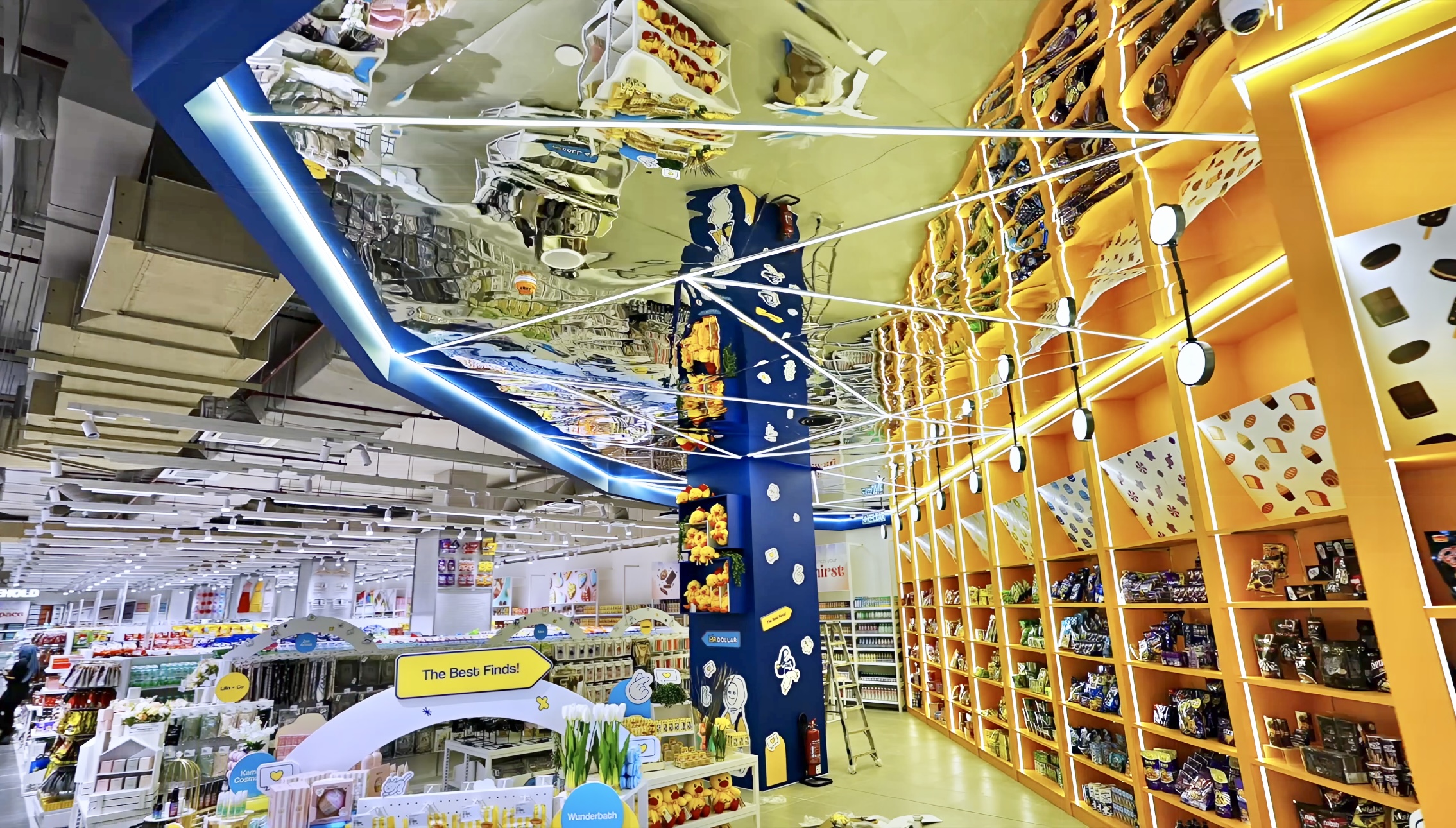
Common associations include:
5. Lighting as a Behavioral Tool
Lighting directs attention. Birght lighting energizes, while warm lighting relaxes.
Effective lighting strategies:
How Store Layout Influences Customer Behavior
A well-planned Malaysian store layout can:
On the other hand, poor layout design causes:
Pshychology-driven design turns physical space into a silent salesperson.
Localizing Retail Design for Malaysian Audiences
To truly succeed, international design trends must be adapted for local preferences.
Consider:
Retail design psychology works best when it feels familiar, respectful, and intuitive.
FAQs: The Psychology of Retail Design in Malaysia
1. Why does store layout affect buying behavior?
Store layout influences how customers move, what they see, and how comfortable they feel, directly impacting pruchase decisions.
2. What is the most effective retail layout type?
Grid, loop, and free-flow layouts all work - but effectiveness depends on store size, product type, and customer behavior.
3. How does culture impact retail design in Malaysia?
Cultura; norms influence comfort, spacing, colors, and social interaction, making localization essential.
4. Does retail psychology apply to small stores?
Yes. Even small shops benefit from clear pathways, good lighting, and strategic product placement.
5. How often should a store layout be updated?
Minor updates every 6-12 months help keep the store fresh and aligned with changing customer habits.
6. Can good design really increase sales?
Absolutely. Well-designed reatil spaces consistently show higher conversion rates and customer satisfaction.
Conclusion: Design Is Not Decoration - It's Strategy
The psychology of retail design proves one thing clearly: your Malaysian store layout matters more than you think. Every aisle, light, color, and display sends signals to your customers' brains - shaping how they feel and how they buy.
In a competitive retail landscape, investing in thoughtful, psychology-driven design isn't optional. It's a strategic advantage that turns casual visitors into loyal customers.
This article explores the psychology of retail design and explains why your Malaysian store layout truly matters, combining consumer behavior insights with local market realities.
Understanding the Psychology of Retail Design
Retail design psychology focuses on how space, color, lighting, layout, sound, and scent affect human emotions and decision-making. Shoppers rarely realize it, but their brains are constantly responding to environmental cues.
Key psychological triggers include:
- Comfort - Customers stay longer in spaces that feel open and easy to navigate
- Control - Clear layouts reduce stress and decision fatigue
- Emotion - Colors, lighting, and music create mood and brand perception
- Habit - Familiar patterns guide repeat visits and impulse purchases
When these elements work together, a store feels intuitive rather than confusing
Why Store Layout Is Critical in the Malaysian Retail Context
Malaysia's retail environment is unique. It blends diverse cultures, climates, and shopping habits, all of which impact how customers experience physical spaces.
1. High Mall Culture and Foot Traffic
Malaysians love shopping malls. With heavy foot traffic, stores must:
- Capture attention within seconds
- Clearly guide customers from entrance to key displays
- Prevent congestion during peak hours and festive seasons
2. Cultural Comfort and Social Shopping
Shopping in Malaysia is often a social activity, done with family or friends. Stores that feel cramped or confusing discourage group browsing.
Psychologically effective layouts:
- Allow side-by-side walking
- Provide open sightlines
- Create resting or pause zones
3. Climate-Driven Behavior
Malaysia's hot and humid weather influences shopper psychology. Once customers step into an air-conditioned store, they subconsciously seek:
- Cool lighting
- Spacious layouts
- Clear airflow and uncluttered pathways
Key Retail Design Psychology Principles That Drive Sales
1. The Decompression Zone
The first few steps inside your store are critical. Shoppers need a moment to adjust from outside noise and movement.
Best practices:
- Avoid placing products immediately at the entrance
- Use open space to create a calm transition
- Highlight brand identity subtly
2. Natural Traffic Flow and the "Right Turn" Bias
Research shows most shoppers instinctively turn right when entering a store. Malaysian retailers can use this psychological pattern to:
- Place high-margin or featured items on the right side
- Guide customers through a planned journey
- Increase exposure to more products
3. Strategic Product Placement
Eye-level placement, grouping related products, and storytelling displays all influence buying decisions.
Psychological triggers include:
- Impulse zones near checkout
- Anchor products that set price expectations
- Contrast displays that highlight value
4. Color Psychology in Malaysian Retail
Colors evoke emotions, and cultural context matters.
Common associations include:
- Red - Energy, excitement, and promotions
- Green - Calm, wellness, and sustainability
- Gold - Premium quality and luxury
- White - Cleanliness and modernity
5. Lighting as a Behavioral Tool
Lighting directs attention. Birght lighting energizes, while warm lighting relaxes.
Effective lighting strategies:
- Accent lighting for featured products
- Softer lighting for lifestyle or premium zones
- Even illumination to avoid dark, ignored corners
How Store Layout Influences Customer Behavior
A well-planned Malaysian store layout can:
- Increase browsing time
- Reduce decision fatigue
- Encourage impulse purchases
- Improve customer satisfaction
- Boost repeat visits
On the other hand, poor layout design causes:
- Frustration
- Missed products
- Faster exits
- Lower conversion rates
Pshychology-driven design turns physical space into a silent salesperson.
Localizing Retail Design for Malaysian Audiences
To truly succeed, international design trends must be adapted for local preferences.
Consider:
- Multilingual signage for clarity
- Inclusive design for families and elderly shoppers
- Flexible layouts for festive seasons like Raya, CNY, and Deepavali
- Cultural sensitivity in visuals and symbols
Retail design psychology works best when it feels familiar, respectful, and intuitive.
FAQs: The Psychology of Retail Design in Malaysia
1. Why does store layout affect buying behavior?
Store layout influences how customers move, what they see, and how comfortable they feel, directly impacting pruchase decisions.
2. What is the most effective retail layout type?
Grid, loop, and free-flow layouts all work - but effectiveness depends on store size, product type, and customer behavior.
3. How does culture impact retail design in Malaysia?
Cultura; norms influence comfort, spacing, colors, and social interaction, making localization essential.
4. Does retail psychology apply to small stores?
Yes. Even small shops benefit from clear pathways, good lighting, and strategic product placement.
5. How often should a store layout be updated?
Minor updates every 6-12 months help keep the store fresh and aligned with changing customer habits.
6. Can good design really increase sales?
Absolutely. Well-designed reatil spaces consistently show higher conversion rates and customer satisfaction.
Conclusion: Design Is Not Decoration - It's Strategy
The psychology of retail design proves one thing clearly: your Malaysian store layout matters more than you think. Every aisle, light, color, and display sends signals to your customers' brains - shaping how they feel and how they buy.
In a competitive retail landscape, investing in thoughtful, psychology-driven design isn't optional. It's a strategic advantage that turns casual visitors into loyal customers.
Jan 23,2026